304 North Cardinal St. Dorchester Center, MA 02124
As a blog site focused heavily on retro games, anime, manga, and Japanese media, this site is mainly geared toward fellow retro otaku—if the name didn’t make that plainly fucking obvious. In other words, it’s aimed at people who already have some familiarity with Japanese culture, fandom terminology, and internet slang.
However, if you’re a more casual reader and find yourself unfamiliar with some of the otaku lingo or online slang used throughout the site, this dictionary should help explain many of the terms you may come across. (I also find the Glossary portion on MoeGamer’s site to be really cool and charming, and wanted to do something similar.)
2D /ˌtuːˈdiː/ n. A slang term used to refer to something or someone that isn’t real. Most commonly used to refer to fictional characters. It’s been hotly debated amongst philosophers on the internet whether or not 2D is truly better than 3D.
2ch /ˈtuːˌtʃænəl/ n. Also known as 2chan or 2channel, an anonymous Japanese textboard founded in 1999, similar to 4chan.
3D /ˌθriːˈdiː/ n. A term used to refer to real people, like you and me!
4koma /ˌfɔːrˈkoʊmɑː/ n. A four-panel manga format primarily used for gag comics.
Ahoge /ˈɑːhoʊɡeɪ/ n. Also known as a cowlick, a single, often long lock of hair sticking up from the top of a character’s head. It’s usually used to denote a character who is naive, dumb, carefree, or goofy. Hence, the phrase is made up of the terms アホ (Aho), meaning stupid, and 毛 (ge), meaning hair.
Konata Izumi featuring an ahoge.
Anime /ˈænɪmeɪ/ n. A contraction of the English “animation.” In the West, it refers to animation originating from Japan. But in Japan, it’s used to describe all animated works regardless of style or origin. For example, a series like South Park is referred to as “an American anime” over in Japan.
ARPG /ˌeɪɑːrpiːˈdʒiː/ n. Action RPG. A subgenre that combines aspects of an RPG, such as exp-based level and stat progression and inventory management, with aspects of an action game, like real-time combat, rather than turn- or menu-based combat, and little delineation between exploration and combat. Good examples include Exile or Magic Knight Rayearth. You should play both of them.
Ateji /ˈɑːteɪdʒiː/ n. Kanji used to phonetically represent native or borrowed words with little regard to the underlying meaning of the characters.
AU /ˌeɪˈjuː/ n. Alternative Universe. A term used for stories, mostly fan fiction, where the writer takes characters and places them in a completely different setting from their canon ones. Examples would include “Fire Emblem Modern Era AU” or “Sakura Taisen in a Cyberpunk AU.”
Babelfish /ˈbeɪbəlˌfɪʃ/ n. A former real-time translation service launched in 1997.
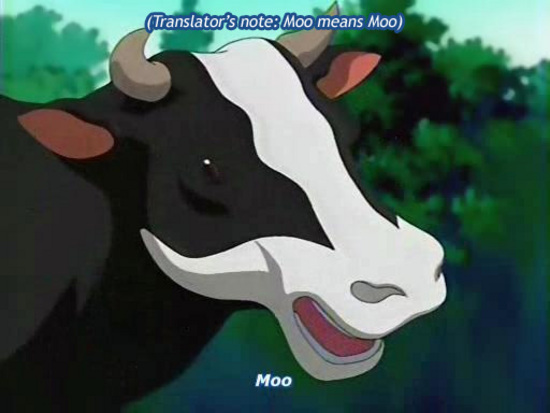
Baka /ˈbɑːkɑː/ n. A Japanese term meaning “idiot.”
Pictured: Baka
Bara /ˈbɑːrə/ n. A colloquial name for male same-sex romance manga primarily targeted towards other gay men, typically featuring masculine men with varying degrees of muscle, body fat, and body hair.
Bishoujo /biːˈʃoʊdʒoʊ/ n. A Japanese term meaning “pretty girl.”
Bishonen /biːˈʃoʊnɛn/ n. A Japanese term meaning “beautiful boy.”
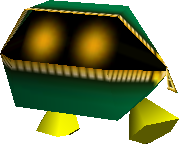
Blorbo /ˈblɔːrboʊ/ n. An endearing term for someone’s favorite character from an anime, TV show, book, video game, or movie. For the purpose of this blog, I also tend to use “skrunkly,” “chungus,” or “glup shitto” interchangeably.
Moneybag, one of the Glup Shittos from Mario 64.
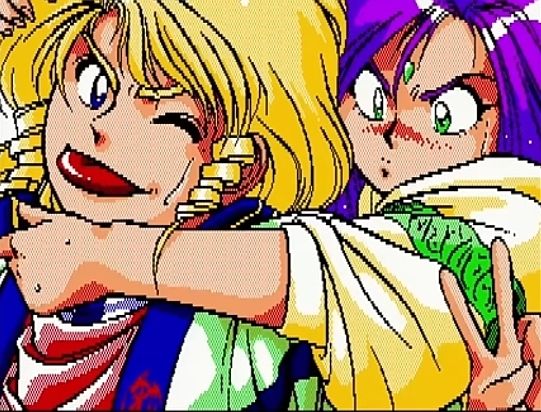
CGDCT /ˌsiːdʒiːdiːsiːˈtiː/ n. “Cute Girls Doing Cute Things.” A light-hearted subgenre of anime, manga, or sometimes games, where the primary focus is the cuteness and moè appeal of a central all-female cast. A good example would be Galaxy Fräulein Yuna.
Chibi /ˈtʃiːbiː/ n. Not to be confused with the grifter ChibiReviews. “Chibi” is a slang term meaning “short” or “small.” A cutesy and exaggerated art style in which characters are drawn smaller, with oversized heads, oversized eyes, and stubby arms. This style is also sometimes called SD (Super Deformed). A chibi-styled character, like an overworld sprite in an RPG or something, can also be called a Chibichara (Chibi Character)
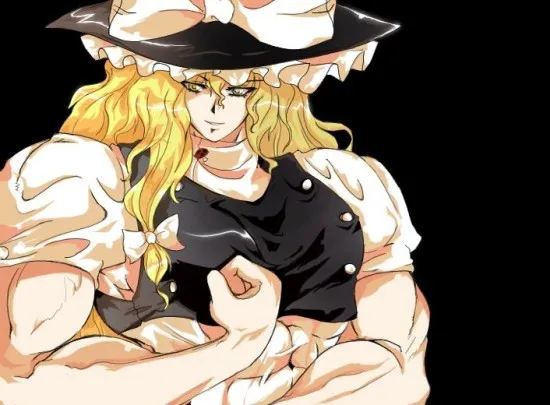
Cho- /tʃoʊ/ prefix. A prefix used to describe something big, strong, or super.
Cho-Marisa. Artwork by Wi-Z GARAGE
Comiket /ˈkɒmɪkɛt/ n. A truncation of Comic Market. A semiannual doujin convention in Tokyo, Japan, founded in 1975, and the biggest Otaku-themed convention in the world. It’s a grassroots marketplace where independent artists and groups (called doujin circles) buy and sell their works, which include, but aren’t limited to, prints, games, manga, and music.
CRPG /ˌsiːɑːrpiːˈdʒiː/ n. Computer Role-Playing Game. Used back in the day to distinguish PC/Console RPGs from Tabletop games, but nowadays it is mostly used to refer to old-school RPGs.
Dai /daɪ/ prefix. A Japanese prefix used to describe something great, big, or large. For example, the Touhou character, Daiyousei, gets their name from Dai (great) and yousei (fairy).
Danmaku /dɑːnˈmɑːkuː/ n. “Bullet curtain,” but more commonly referred to as a bullet hell. It’s a subset of the shmup genre that places heavy emphasis on dodging an absurd but intricately designed bullet pattern. Though I’ve never really seen someone refer to a game as a “bullet hell” outside of Touhou and Undertale.
Dating Sim /ˈdeɪtɪŋ sɪm/ n. A game based around building romantic relationships with one or more potential partners. Example: Sakura Taisen.
-dere /ˈdɛreɪ/ suffix. From the Japanese term “deredere” (lovey-dovey). In anime, it’s used to denote character archetypes based on how they display affection. But its more colloquial uses don’t restrict it to just a romantic setting, and it can be used casually.
Deka /ˈdɛkɑː/ n. From the term “Dekai.” A Japanese term for huge or enormous.
Doujin /ˈdoʊdʒɪn/ n. A Japanese term combining 同 (dou), meaning similar, and 人 (jin), meaning person. Used to describe people who share a common interest, like a fandom or community. It’s more broadly used to describe works created independently or self-published by either amateurs or professionals. These can either be wholly original works or derivative works of an existing series.
Doujin Sakka /ˈdoʊdʒɪn ˈsɑːkɑː/ n. Doujin Creator. Someone who creates doujin works. Duh.
Doujinshi /ˈdoʊdʒɪnʃiː/ n. Used to describe specifically written works, like manga, novels, comics, etc. While it’s inherently not pornographic and there is a large amount of SFW doujinshi, because of how many people in the West are introduced to it, it often carries that stigma amongst normies.
Drama CD /ˈdrɑːmə ˌsiːˈdiː/ n. An audio-only recording that dramatizes a story using voice acting, music, and other sound effects. Often used as supplemental media to manga, anime, or video games.
Ecchi /ˈɛtʃiː/ n. A Japanese slang term originating from a Japanese pronunciation of the letter “H.” It’s used to refer to lewd content that doesn’t cross the line into straight-up hentai. Such as provocative posing, sexual implications, skimpy outfits, and if the content is daring enough, maybe a nipple or two.
ED /ˌiːˈdiː/ n. The theme that plays at the end of an anime episode, movie, or game as the credits roll.
Eroge /ɛˈroʊɡeɪ/ n. Erotic game. A term used to refer to text-heavy, story-centric Japanese games with a decent amount of erotic content present, whether or not that erotic content is the game’s primary focus.
Fansub /ˈfænˌsʌb/ n. An anime or other animation subbed by fans.
I really miss the days of fansubs.
Fanservice /ˈfænˌsɜːrvɪs/ n. Elements or scenes that are added to a piece of media to please the audience rather than advance the plot. This can be cheeky nostalgia baiting, jokes, cameos, or ecchi-esque scenes. Unfortunately, when people refer to fanservice, they almost exclusively refer to the latter example, and kinda just mark anything remotely sexual as “fanservice.”
Fan-Translation /ˌfæn trænsˈleɪʃən/ n. An unofficial translation of various forms of written or multimedia products made by fans, usually into a language that it is not yet available in.
FC /ˌɛfˈsiː/ n. Fan Character. An original character created by a fan that is designed to exist in the universe of a pre-existing franchise. Such as Saito or Aege.
Flame War /ˈfleɪm wɔːr/ n. An online slang term to refer to a series of overly hostile, critical, and disparaging comments exchanged in an ongoing internet argument.
Flash /flæʃ/ n. Adobe Flash is a now-discontinued multimedia platform that was used to create internet animations, applications, and browser games. It was a huge pillar of the early internet, and the primary application people used to create media on sites like Newgrounds.
F/O /ˌɛfˈoʊ/ n. Fictional Other. A play on the term “Significant Other,” but y’know, fictional. Used to describe a character someone sees as a romantic partner.
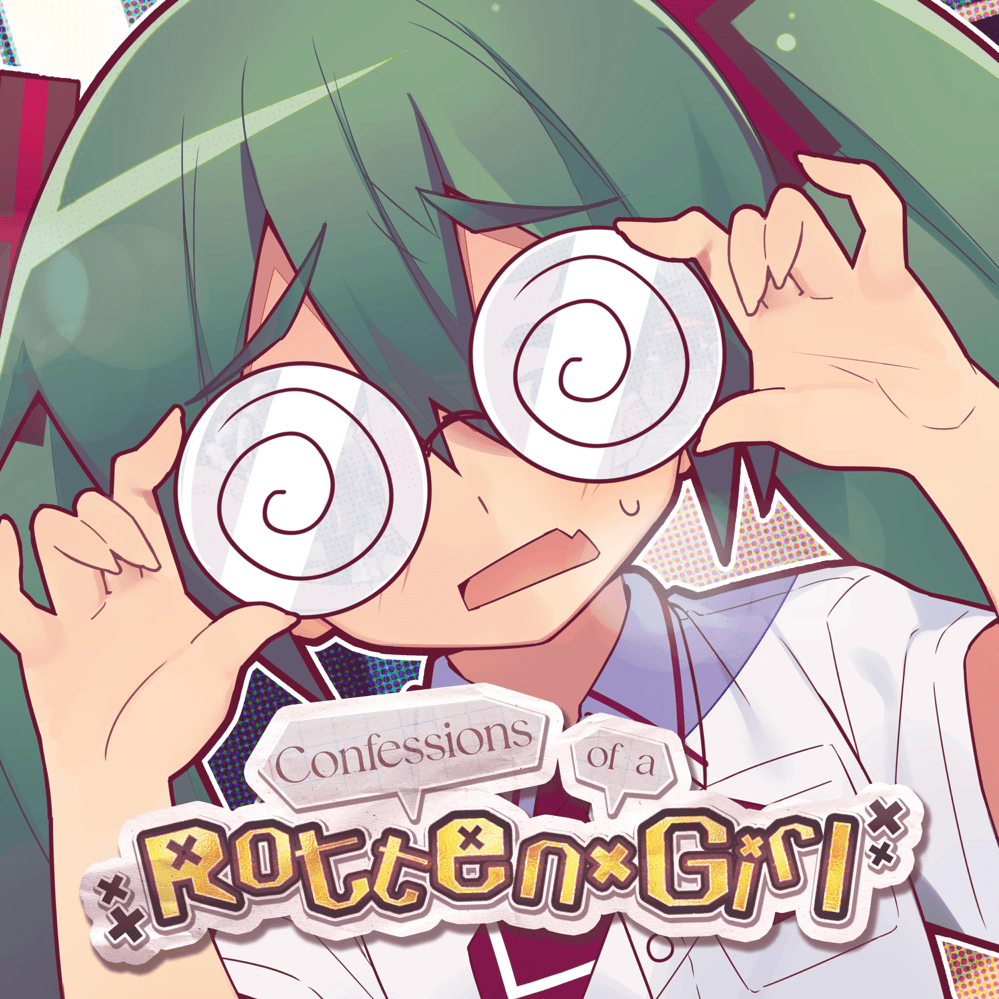
Fujoshi /fuːˈdʒoʊʃiː/ n. A term used to refer to women who are very into anime, manga, and video games, like an otaku, but fujoshi have a greater focus on being fiercely into Boys’ Love-related media. The term originated on 2ch in the early 2000s as a derogatory insult, but it was later reclaimed as a self-descriptive term. The term comes from the phrase 婦女子 (fujoshi), which refers to a woman or proper lady, but replaces the first kanji 婦 (fu), meaning “proper”, with 腐 (fu) meaning “rotten” or “spoiled.”
I love fujo glasses so much.
Gattai /ɡɑːˈtaɪ/ n. The Japanese word for combining, union, or fusion. Used to refer to a robot with the ability to combine, such as Getter Robo and Voltron.
-ge /ɡeɪ/ suffix. Short for “geimu,” the Japanese romanization of the English word “game.” -ge is used as a suffix to refer to various game types or genres like eroge (erotic game), bishoujoge (bishoujo game), and kusoge (kuso game).
Gekan /ˈɡɛkɑːn/ n. 下巻. The second or lower volume of a two-volume book series.
Genki /ˈɡɛŋkiː/ adj. The Japanese word for pep or energy. Often used to refer to a very energetic or hyper person, like Yurika Misumaru.
Gyaru /ˈɡjɑːruː/ n.a Japanese transliteration of the English slang word “gal” and a Japanese fashion subculture that was considered to be nonconformist and a rebellion against traditional Japanese beauty standards for women.
Haraguro /ˌhɑːrəˈɡʊroʊ/ n. Used to refer to a character who looks nice and sweet on the outside, but rude and sour on the inside. Think of the inverse of a Sour Patch Kid.
Cherrybeiter from Money Idol Exchanger. The best Haraguro character.
Headcanon /ˈhɛdkænɒn/ n. A fan’s personal made-up interpretation or beliefs about a fictional character or story. This can range from something wholesome, like believing a character is gay or neurodivergent so that you can feel seen or represented, to being less wholesome and more obnoxious, like believing a character is an evil, irredeemable bigot for saying something offensive once, despite learning it was wrong later on and changing for the better.
Image unrelated.
Hentai /ˈhɛntaɪ/ n. Do I really need to explain what this is? It’s a term used to describe explicit sexual content where you get to see everything, albeit with mosaic or similar censoring. It’s often abbreviated as simply “H” in a lot of Japanese media.
Hexadecimal /ˌhɛksəˈdɛsɪməl/ n. Hex for short. A base-16 numbering system used in video game programming, which uses 16 symbols. The numbers 0-9, then A representing 10, B is 11, C is 12, and so on until F. It’s used because it can convey 4 binary bits (1s and 0s) into a single readable digit, as 24 is 16.
Hiragana /ˌhiːrəˈɡɑːnə/ n. ひらがな. A Japanese writing system used for grammar particles and phonetic sounds of native Japanese words.
HUD /ˌeɪtʃjuːˈdiː/ n. Heads-Up Display. An on-screen display that shows various info, statistics, or dialogue overlaid on top of a game or other visual media.
Pictured: YU-NO: A Girl Who Chants Love at the Bound of This World (PC-98)
Husbando /hʌsˈbændoʊ/ n. A romaji form of the Japanese pronunciation of the English word “husband,” though it’s not accurate to how the word would actually be written in Japanese. The term would actually be spelled as “Hazubando.” It refers to a male character someone strongly resonates with for reasons more significant than just finding them attractive, and who has traits and characteristics one would desire in a romantic partner.
Indie /ˈɪndiː/ adj. Short for independent. Used to refer to media such as animations, games, music, or literature made by an independent person or group, without the interests of a big company or corporation. It’s kinda like the Western version of doujin works, but not relegated to just otaku-based media.
Isekai /ˌiːsɛˈkaɪ/ n. Japanese for “another world.” A popular genre of anime, manga, and light novels where the protagonist is either transported or reincarnated in another world, typically based on fantasy.
Jōkan /ˈdʒoʊkɑːn/ n. 上巻. The first or upper volume of a two-volume book series.
JRPG /ˌdʒeɪɑːrpiːˈdʒiː/ n. Japanese RPG. A role-playing game that originated in Japan. They’re typically more story-centric, more linear, and have less customization than Western RPGs.
Kaijū /ˈkaɪdʒuː/ n. Refers to a giant destructive monster, as well as a genre of entertainment (typically tokusatsu) that features said monsters. Examples include Godzilla, Mothra, and King Ghidorah.
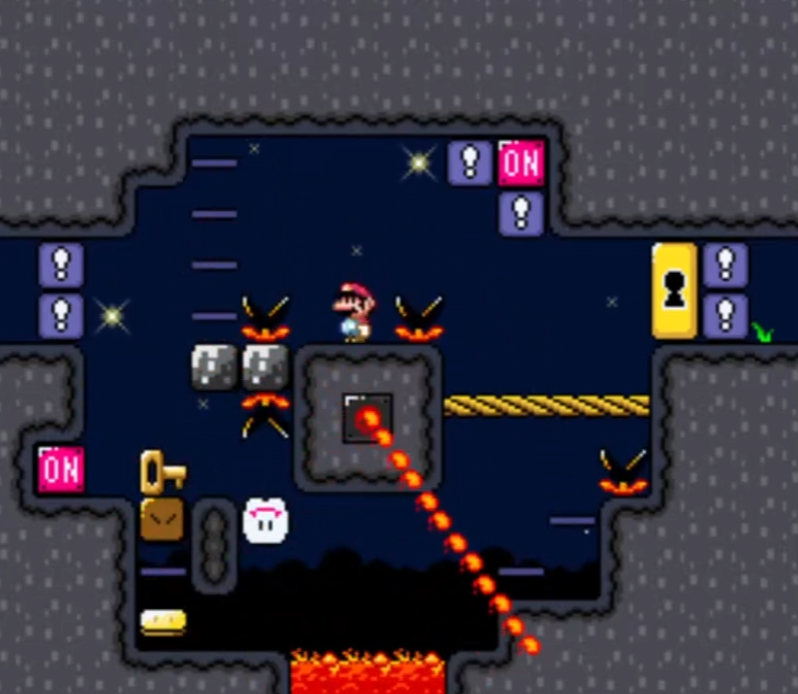
Kaizō /ˈkaɪzoʊ/ n. Japanese for “reorganized” or “modification.” But colloquially used to refer to a game meant to be extremely difficult, to the point where it would only be theoretically beatable. There’s a high degree of strictness placed on the player’s movements, and it has a large emphasis on precision, high levels of skill, and knowledge of the original game’s engine and mechanics.
Pictured: Invictus
Kanji /ˈkɑːndʒiː/ n. 漢字. A Japanese writing system that uses Chinese characters to represent whole words and concepts.
Katakana /ˌkɑːtəˈkɑːnə/ n. カタカナ. The last of the three Japanese writing systems. Used for non-native Japanese words, onomatopoeia, or to add emphasis to a word.
Kifujin /ˌkiːfuːˈdʒiːn/ n. Roughly means “a noble fujoshi.” Refers to a fujoshi whose interest in Boys’ Love persists into adulthood.
Kin /kɪn/ n. A character you heavily associate or identify with. They can be used to help express oneself, comfort you, cope with situations, or illness, etc. Additionally, the act of claiming a character that you kin is called “kinning.”
Ko- /koʊ/ prefix. A Japanese prefix used to denote something small or young, similar to the English suffix -ling, like in the term “deerling.”
Kawaii /kəˈwaɪiː/ adj. The Japanese word for “cute.” Just like the person currently reading this page. 🤭
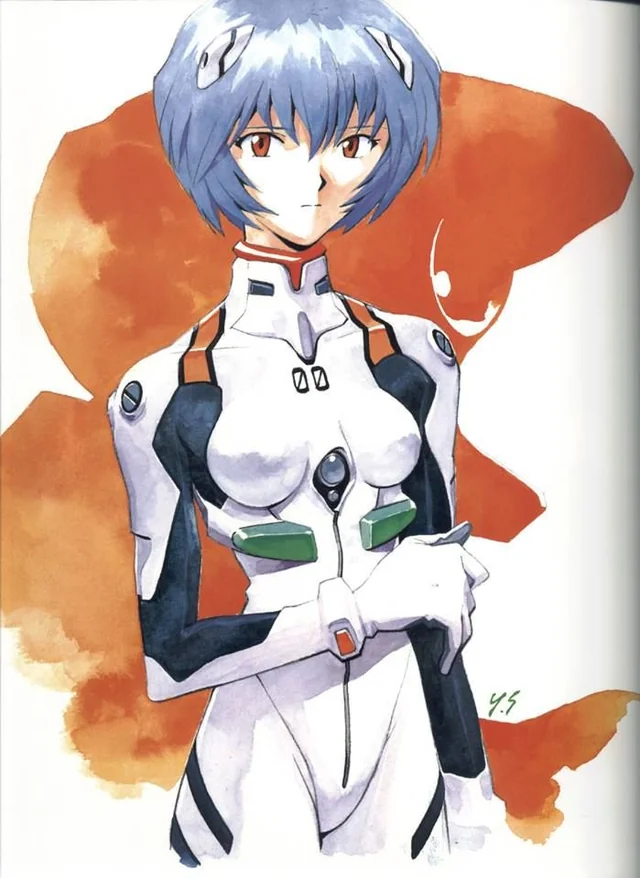
Kuudere /ˈkuːdɛreɪ/ n. Also spelled as “Coodere.” A portmanteau of “Cool” and “deredere.” A trope referring to someone who appears stoic, cold, or expressionless on the outside, but is caring, warm, and affectionate on the inside.
Rei Ayanami, the poster girl of the Kuudere trope.
Kusoge /ˈkuːsoʊɡeɪ/ n. From the term 糞 (Kuso) meaning crappy or shitty, and ゲー (ge) short for “game.” It simply refers to a shitty game.
Light Novel /ˈlaɪt ˌnɑːvəl/ n. A type of novel from Japan. It’s usually shorter than a typical novel, features illustrations, and is heavy on dialogue.
Localization /ˌloʊkələˈzeɪʃən/ n. The practice of translating and adapting a piece of media from one country to another. The talk of localization online can get a bit heated due to the fact that many people have different views on what a good localization is. Some people feel it should appeal to the new audience via rewrites and punching up dialogue, while others believe it should stay as faithful to the original author’s work as much as it can in the new language.
Loli /ˈloʊliː/ n. Short for lolita. A term used to refer to a young-looking or petite female character.
Lolicon /ˈloʊlɪkɒn/ n. A contraction of Lolita Complex. Used to refer to someone who is into loli characters in a sexual fashion, or media that depicts said characters.
Magical Girl /ˈmædʒɪkəl ɡɜːrl/ n. Also referred to as Mahou Shoujo. A subgenre of fantasy that depicts young girls who possess magical abilities and use them to fight evil, typically via an alter ego and some mascot character at their hip.
Mangaka /mɑːŋˈɡɑːkɑː/ n. A contraction of Manga and 作家 (Sakka), meaning creator, author, or artist. In other words, someone who creates manga. Duh.
Maō /mɑːˈoʊ/ n. Japanese term for “Demon King” or “Demon Lord.” A character archetype referring to a supreme evil ruler or a final boss-type villain in a fantasy story. Examples include Bowser, Ganon, or King Dedede.
Mecha /ˈmɛkə/ n. A subgenre of science fiction centered on large, human-piloted robots. They are often split into two categories, Super Robots and Real Robots.
Media Mix /ˈmiːdiə mɪks/ n. A marketing method of releasing an IP within multiple forms of media. For example, a video game releasing with an accompanying anime, manga, and TCG.
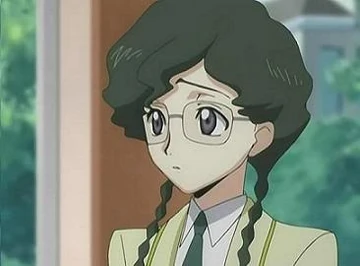
Megane /mɛˈɡɑːneɪ/ n. A Japanese term for eyeglasses. It’s commonly used to refer to a cute or attractive character who wears glasses and is commonly portrayed as intelligent or stoic.
Do NOT ask Nina Einstein what she did to a table in episode 12.
Metroidvania /mɛˌtrɔɪdˈveɪniə/ n. A portmanteau of Metroid and Castlevania. Used to describe 2D side-scrollers with heavy emphasis on exploration, open-world maps, and finding power-ups to make progress.
Moè /ˈmoʊeɪ/ n. An aesthetic used to describe a cutesy, innocent, or vulnerable character that provokes intense feelings of deep affection, adoration, or protectiveness. Usually ranging from an “uwu must protecc” to wanting to rail them.
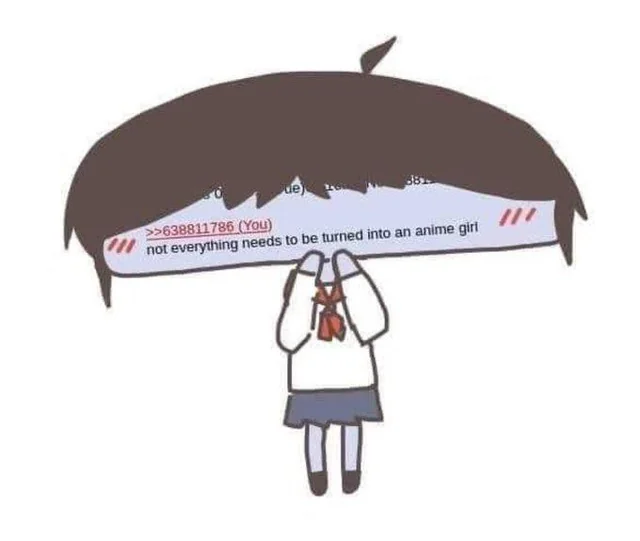
Moè anthropomorphism /ˈmoʊeɪ ˌænθroʊpəˈmɔːrfɪzəm/ n. The act of turning things into cute anime girls. For example, Umamusume turns horses into anime girls.
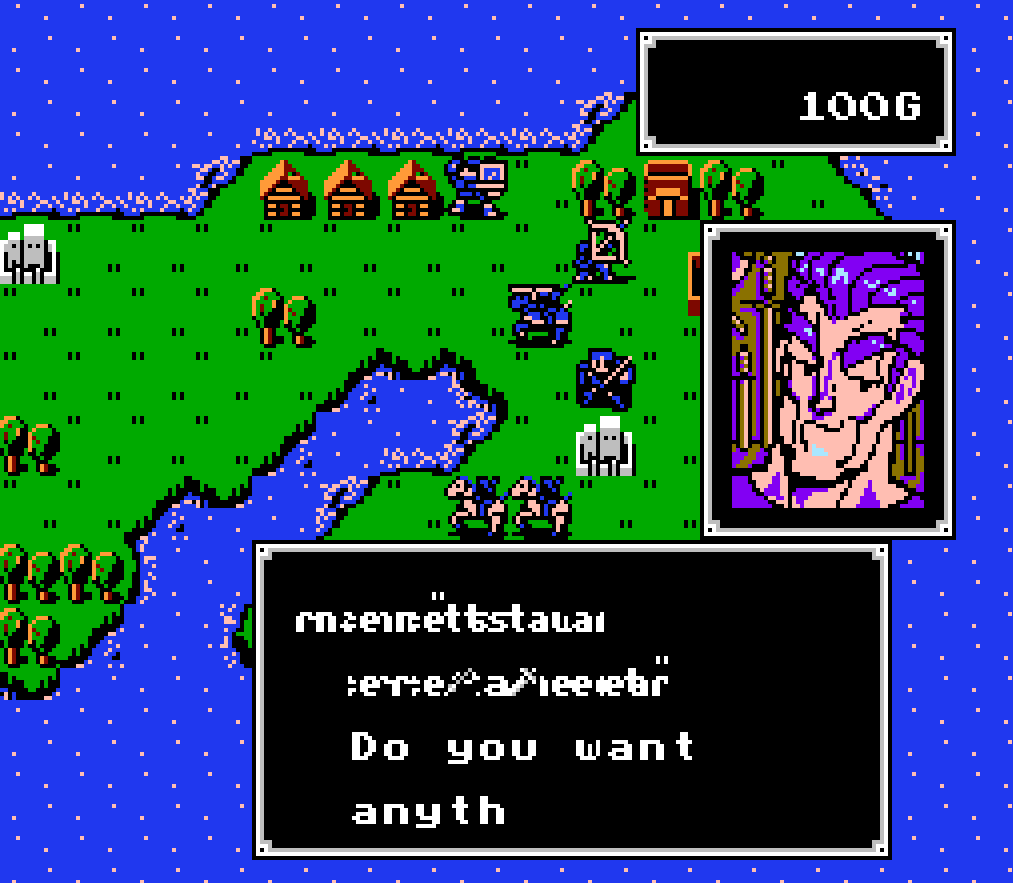
Mojibake /ˈmoʊdʒiːˌbɑːkeɪ/ n. Garbled text that forms as a result of software loading text using the wrong characters. Like if you, I don’t know, replace the Japanese characters in a game with English characters, then load the game up without actually changing the dialogue.
Monster of the Week /ˈmɒnstər əv ðə wiːk/ n. An episodic anime or TV show where the standard episode structure involves defeating a one-off monster or other similar one-off villain during the climax of said episode. A big example is Mazinger Z.
Nico Nico Douga /ˈniːkoʊ ˈniːkoʊ ˈdoʊʊɡɑː/ n. A Japanese video-sharing site, similar to YouTube.
NPC /ˌɛnpiːˈsiː/ n. Non-Playable Character.
NSFW /ˌɛnɛsɛfˈdʌbəljuː/ adj. Not Safe For Work. An internet acronym used to describe content, usually sexual content, that is not suitable for viewing in public or a professional setting.
Nukige /ˈnuːkɪɡeɪ/ n. A subset of eroge. A sexually explicit game or visual novel in which the primary appeal is to…provide assistance in helping the player “entertain” themselves. While the games aren’t completely devoid of gameplay or story, that’s usually just used as a means to unlock the sex scenes.
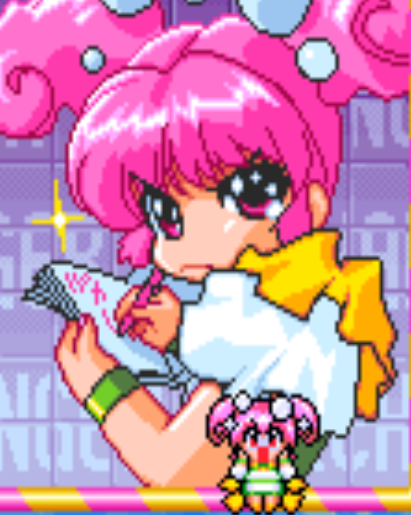
OC /ˌoʊˈsiː/ n. An original character, just like Mega-chan! It can be for an original story, game, art, animation, or just a headcanon. But it can also be used interchangeably with FC in fandom spaces.
Ojōsama /ˌoʊdʒoʊˈsɑːmə/ n. Also known as “Reijou.” A common Japanese term referring to a woman of high social status, or at least a woman who resembles one who does. Women who are referred to as ojōsama are often characterized by their grace, class, sophistication, and/or charm. They are often recognized by their signature “Ohohoho!” laugh. Examples include Sumire Kanzaki, Erika from Pokémon, or Koshiro Miya from Yumeiro Pâtissière.
Omake /ˈoʊmɑːkeɪ/ n. Japanese for extra, bonus, or freebie. Within the scope of the site, I use it to refer to bonus content within or outside of a game, like secret modes, bonus options, or extra supplemental material like posters or maps.
OP /ˌoʊˈpiː/ n. The opening theme of an anime or game.
Oppai /ˈoʊpaɪ/ n. A Japanese term for booba.
OOC /ˌoʊoʊˈsiː/ adj. Out of Character. When a character is acting out of the norm of how they’re established to be written.
Oshi /ˈoʊʃiː/ n. A Japanese slang term meaning “favorite” or “number one.” Used to refer to people someone looks up to, is loyal to, supports, or loves. Like an idol, actor, or some other celebrity.
Otaku /oʊˈtɑːkuː/ n. If you don’t know what an Otaku is…how did you even find this website? Like, did you even read the name? Anyways, the word otaku is derived from a Japanese term for another person’s house or family (お宅, otaku). But it’s colloquially used to refer to someone who is very passionate and interested in something, similar to the English words “nerd” or “geek.” In Japan, you can be an otaku about anything, like a Music Otaku or Sports Otaku, but in the West, Otaku is used exclusively for Japanese media, like anime, manga, light novels, or visual novels.
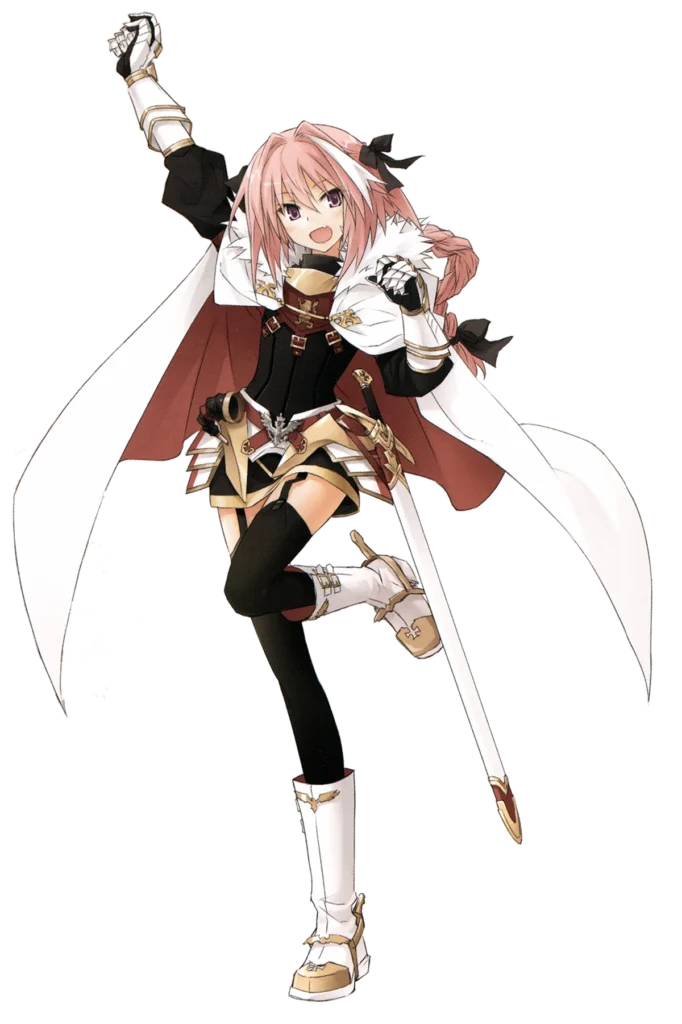
Otoko no Ko /ˈoʊtokoʊ noʊ koʊ/ n. A common anime trope referring to a male character who dresses like a woman. The term is a play on the phrase 男の子 (Otoko no Ko), another term referring to a young man, but the Kanji for “young” (子) is swapped out for the Kanji meaning “girl” (娘). In English, this is often translated as femboy, crossdresser, or a previously popular term that is more controversial now.
Astolfo from Fate. The poster boy of the Otoko no Ko trope.
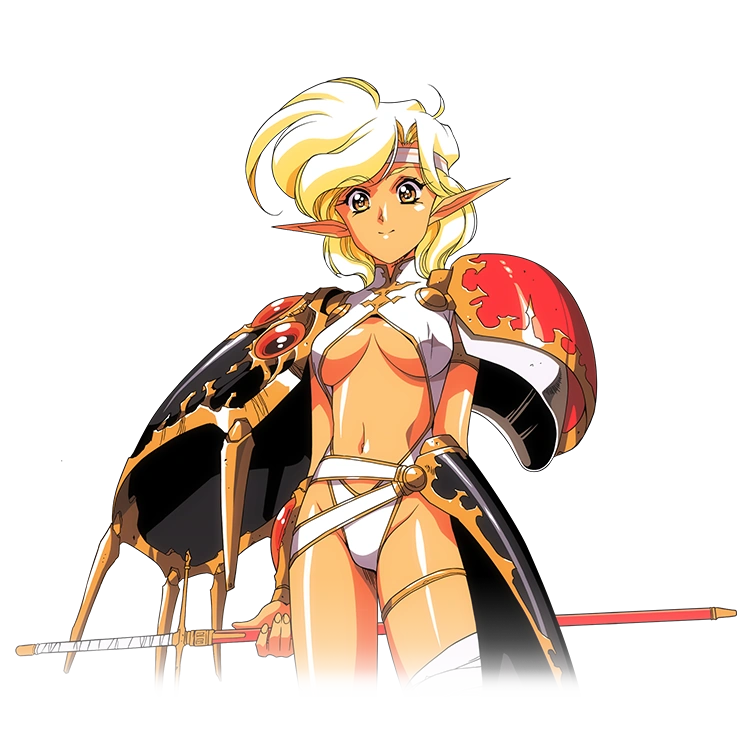
OVA /ˌoʊviːˈeɪ/ n. Original Video Animation. Refers to anime episodes or movies released directly to home media rather than being broadcast on TV. Some OVAs are standalone, like Iczer-1, while some are tied to an existing series, like a manga or game. Some series also start as OVAs, similar to a pilot.
owo /ˈoʊwoʊ/ interj. What’s this…?
OTP /ˌoʊtiːˈpiː/ n. One True Pairing. Your personal favorite romantic couple or ship in a particular series.
Haslam and Falna from Emerald Dragon. One of my personal OTPs.
Pantsu /ˈpæntsuː/ n. A Japanese term for underpants or undergarments.
Patch /pætʃ/ n. A deliverable in which fan translations or ROM hacks are uploaded. The deliverable is most commonly a small file that contains the modified data or code differences between the original unmodified game and the hacked version.
Readme /ˈriːdmiː/ n. A file, usually a .txt, that usually comes with a patch or software detailing important information regarding the file it’s packaged with, such as version changes, development history, or how to use said software.
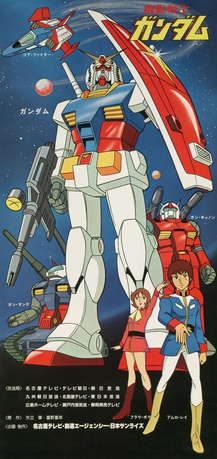
Real Robot /ˈriːəl ˈroʊbɒt/ n. A subgenre of Mecha anime, which is distinguished by the primary robot being a more realistic and grounded mech with more practical combat prowess. They’re typically manufactured by military corporations or nations for the use of warfare, such as Gundam, Nadesico, or Macross.
Mobile Suit Gundam, the pioneer of the Real Robot subgenre.
Retro game /ˈrɛtroʊ ɡeɪm/ n. A term that I personally use to refer to any game released on the PSX or before. But I am old, so other people’s version of “retro” may be the Nintendo DS or Wii.
ROM Hack /rɒm hæk/ n. A game that’s been modified to change or alter its contents, such as graphics, dialogue, music, levels, and/or gameplay, via editing the ROM image. This can be something as minor as texture swapping Mario to look like Luigi in Mario 64, to something bigger like a fan translation, to essentially creating a whole ass new game, like Pokémon Light Platinum.
Pictured: Pokémon Light Platinum
Romaji /ˈroʊmɑːdʒiː/ n. The practice of writing the Japanese language using the Latin alphabet. For example, writing カ as “ka.”
Romanization /ˌroʊmənɪˈzeɪʃən/ n. The practice of converting text from a different writing system into the Latin alphabet. In the case of Japanese text, this differs from romaji as it also encompasses nonstandard romanizations which result from stylization, the target language, branding, or a simple lack of understanding of what it would be translated as naturally in the target language. Romanizations aren’t always literal adherences to the readings of the Japanese text and are typically intended to portray what the Japanese name is “supposed” to mean, closer to the typical forms of European names and words. Examples include Cirno (as opposed to Chiruno, チルノ), or Godzilla (as opposed to Gojira, ゴジラ).
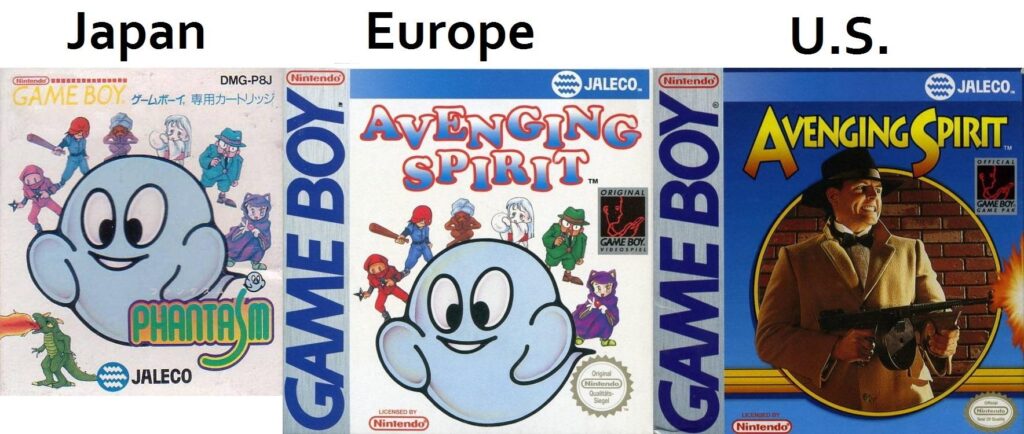
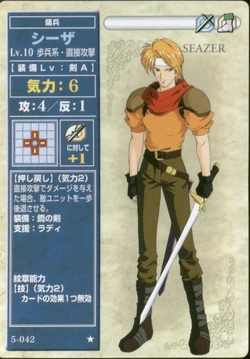
This character is one of the Glup Shittos in the first Fire Emblem game. In the official English localizations, his name is Caesar. In romaji, this name, シーザ, spells out “Shīza”, and the official romanization is “Seazer.”
RPG /ˌɑːrpiːˈdʒiː/ n. Role-Playing Game. A genre in which players play the roles of characters in a fictional setting. Players can play out a narrative through decision-making and stat progression.
Scanslation /ˌskænzˈleɪʃən/ n. Portmanteau of scan and translation. Used to refer to a manga or comic translated by fans. The method often includes scanning the manga pages, then editing the scanned image to include English text.
Seiyū /ˈseɪjuː/ n. A Japanese term meaning voice actor or actress. Colloquially used to refer to the original voice actor of a character seen in a subbed anime.
Ship /ʃɪp/ n. A shortened form of “relationship.” A pair of two characters that a fan desires to see with one another; typically, the characters aren’t officially together in canon, though. Shipping refers to the act of desiring the two characters together, and a shipper is someone who supports the two characters together. Say what you want about shipping culture, but it has been one of the biggest backbones of Western otaku and fandom culture, with it being the largest outlet of LGBT representation, beautiful art, great fanfiction, mediocre fanfiction, and fanfiction clearly written with one hand. It also opens the door for character discussions and dynamics.
Shota /ˈʃoʊtɑː/ n. A term derived from the shortening of Shōtarō Kaneda, the main character of Tetsujin 28-go. It refers to a young-looking male character.
Shotacon /ˈʃoʊtɑːkɒn/ n. A contraction of Shōtarō Complex. Used to refer to someone who is into shota characters in a sexual fashion, or media that depicts said characters.
Shoujo /ˈʃoʊdʒoʊ/ n. A Japanese term translating to “young girl.” It refers to media aimed towards young girls, known for details like expressive art styles, rougher theming, and ethereal character designs. They often contain things stereotypically enjoyed by young girls, like fashion, makeup, and romance. Examples include Sailor Moon, Fruits Basket, and Cardcaptor Sakura.
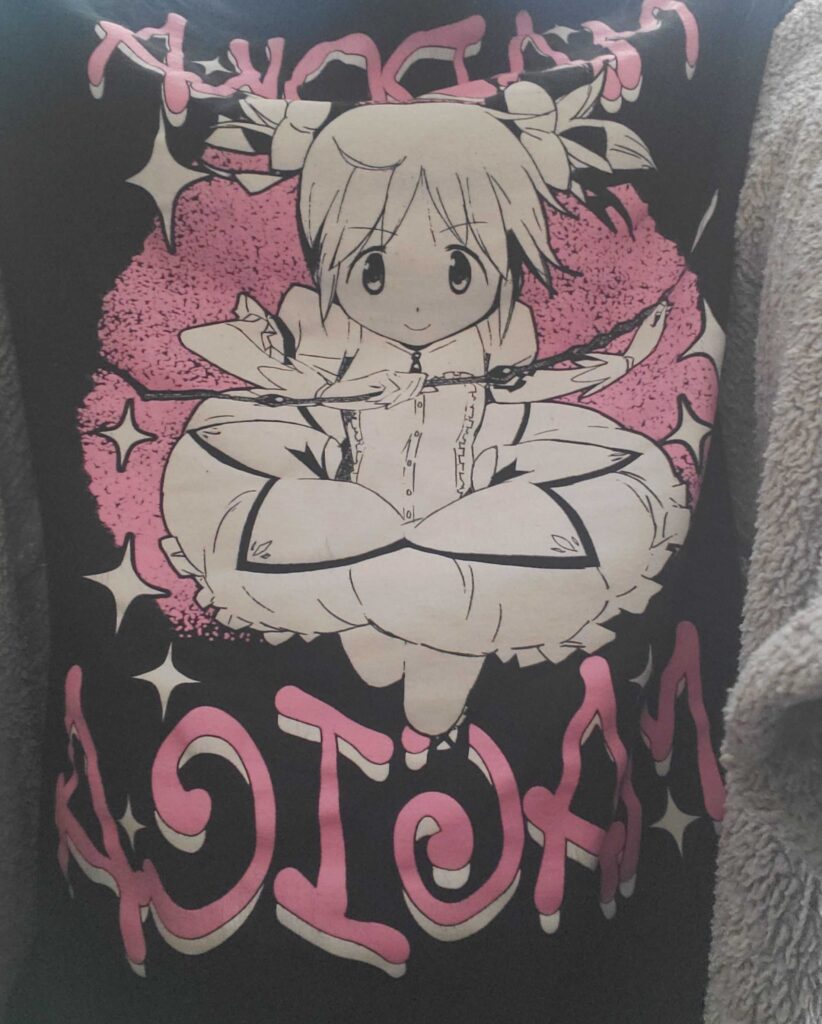
Madoka Magica is one of my favorite Shoujos
Shounen /ˈʃoʊnɛn/ n. A Japanese term translating to “young boy.” It refers to media aimed towards young boys, known for details like dynamic art styles, floral or heart theming, and sharp character designs. They often contain things stereotypically enjoyed by young boys, like action scenes, sports, and girls. Examples include One Piece, Dragon Ball, and Naruto.
Slash /slæʃ/ n. A term used to refer to a type of fanwork in which two characters of the same gender are placed in romantic or sexual situations with one another. Slash typically refers to male characters, and when it isn’t, femslash is typically used. Think of it as the Western version of Yuri/Yaoi. To “slash” something refers to creating said fanwork, and saying something is slashy means that two characters give off homoerotic vibes. The word “slash” originated with Star Trek: The Original Series fan fiction, when Kirk/Spock was used as the label for a story where the relationship between Kirk and Spock was laced with sexual tension. The “/” in the tag then eventually became commonplace to refer to these ships in general.
SRPG /ˌɛsɑːrpiːˈdʒiː/ n. Strategy RPG. Though it’s also used interchangeably with TRPG (Tactical RPG), Simulation RPG, and SLG (in Japan). A subgenre that combines RPG elements with strategy elements and can be either real-time or turn-based. Good examples include Fire Emblem, Super Robot Wars, Langrisser, and Sakura Taisen.
Pictured: Super Robot Wars Complete Box.
Super Robot /ˈsuːpər ˈroʊbɒt/ n. A subgenre of Mecha anime, which is distinguished by the primary robot being a superhero-esque one-of-a-kind mech with almost fantasy-like abilities, created by a mad scientist, aliens, or an ancient civilization. Such as Mazinger, Getter Robot, or Combattler V.
Tanooki /təˈnuːkiː/ n. More commonly spelled as Tanuki. A raccoon dog that is often portrayed as mischievous and a master of disguise in Japanese folklore. Referenced in many series such as Super Mario, Animal Crossing, and Popful Mail.
Tēma /ˈtɛmə/ n. Japanese for “theme.” Used to refer to a Japanese opening or ending theme, specifically one with vocals.
Tokusatsu /ˌtoʊkuːˈsɑːtsuː/ n. Not to be confused with tonkotsu ramen, tokusatsu is a Japanese term used to refer to a live-action series that makes heavy use of special effects. It’s mainly used in sci-fi, superhero, fantasy, or horror media. Often shortened to just “toku.”
Tsundere /ˌtsuːnˈdɛreɪ/ n. A trope in which a character is often abrasive or hostile towards their love interest in an attempt to hide their crush on them.
uwu /ˈuːwuː/ interj. Rawr X3 *nuzzles* How are you?
Visual Novel /ˈvɪʒuəl ˈnɑːvəl/ n. VN for short. A game in which the primary objective is to read the story, which consists of narration, dialogue, images, voice acting, animations, and/or music. I’m honestly hesitant to refer to these as “games,” because they’re more like interactive novels than anything. VNs typically have player interactivity like different routes and decision trees, as well as often being combined with other genres like adventure and RPGs. Meanwhile, a VN with absolutely no player interactivity at all is just a kinetic novel.
Waifu /ˈwaɪfuː/ n. A romaji form of the Japanese pronunciation of the English word “wife.” It refers to a female character someone strongly resonates with for reasons more significant than just finding them attractive, and who has traits and characteristics one would desire in a romantic partner. The term originated from 2002’s Azumanga Daioh. The most annoying people ever will get angry when you use this term.
Image unrelated.
Wasei-eigo /ˌwɑːseɪˈeɪɡoʊ/ n. Refers to Japanese-made pseudo-English words or expressions constructed from English elements, often differing from actual English usage. For example, in Japanese, サンド (Sando) is used as a shorthand for “Sandwich,” but in English, we don’t do that.
Weeaboo /ˈwiːəbuː/ n. Weeb for short. A bit of a derogatory slang term for a Western person who is overly obsessed with Japanese culture, anime, manga, or video games. The original term was wapanese, possibly being a portmanteau of either “White Japanese” or “Wannabe Japanese”, until an admin on 4chan added a filter to auto-change the term Wapanese into Weeaboo, a term that was taken from the Webcomic The Perry Bible Fellowship… then it kinda just stuck.
WRPG /ˌdʌbəljuːɑːrpiːˈdʒiː/ n. Western RPG. A slightly outdated term that is used to describe RPGs that were developed in the US, which contained aspects like a customizable MC, open-ended gameplay, and a high level of player agency. The earliest WRPGs, such as Ultima and Wizardry, are what inspired and influenced the birth of JRPGs in Japan.
Yamato Nadeshiko /ˌjɑːmɑːtoʊ ˌnædɛˈʃiːkoʊ/ n. A term used to describe the personification of a traditional and “ideal” Japanese woman. It’s a historical term used to describe one who carries herself with gentleness, loyalty, and grace. As well as fair skin, long black hair (or a similar darker color like blue or purple in the context of anime), and being dressed in traditional attire.
Yandere /ˈjɑːndɛreɪ/ n. From the terms 病んでる (Yanderu), meaning sick or mentally ill, and deredere. An anime trope in which the character is obsessed with another person to an unhealthy degree. This can range from just being a bit creepy to stalking, to being a straight-up serial killer. How charming!
Yaoi /ˈjɑːoʊiː/ n. Originally a portmanteau of the terms “yama nashi,” “ochi nashi,” and “imi nashi,” meaning “no climax, no point, and no meaning.” It was used in a self-deprecating manner to refer to amateur fan works that solely focused on sex and lacked anything else, like a plot or character development. However, in the modern day, it’s universally used to refer to the manga genre focusing on male same-sex relationships. This differs from bara, as the target audience is typically women, as opposed to gay men.
Yappari /ˈjɑːpəriː/ adv. A versatile Japanese word that generally translates to “as expected,” “after all,” or “I knew it!” Used when something you’ve witnessed happened just as you expected it to.
Yo-kai /ˈjoʊkaɪ/ n. Also spelled as Youkai. A class of supernatural entities, shapeshifters, ghosts, demons, or spirits in Japanese folklore. They can be mischievous, helpful, or evil.
Rumia from the Touhou series. A moè anthropomorphism of a Yo-kai of darkness.
Yumejoshi /ˌjuːmeɪˈdʒoʊʃiː/ n. From the words 夢 (yume) meaning dream and 女子 (joshi) meaning girl. It refers to a female fan who imagines herself in a romantic relationship with a fictional character.
Yumeship /ˈjuːmeɪˌʃɪp/ n. Also known as “self-ship.” The practice of pairing oneself, or an OC representing oneself, with an existing fictional character.
Yuri /ˈjʊəriː/ n. A manga genre focusing on female same-sex relationships. It can range from romance to deep friendship to homoeroticism.
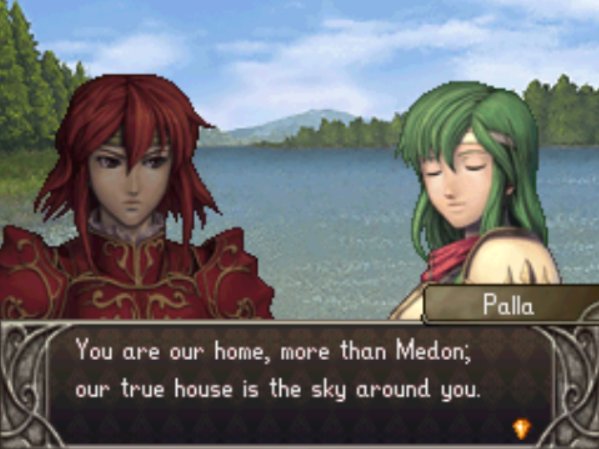
Palla x Mineva. One of the most popular yuri ships regarding the Archanean line of Fire Emblem games.
Looking for great massage in Japan only in www.men-est.com (YAPPARI 錦糸町)東京墨田区錦糸町駅北口から徒歩1分 TEL:03-5610-9034
No more hesitate to access to men-est.com here where people can enjoy so much of fun and happiness in this relaxation salon. (YAPPARI 錦糸町)東京墨田区錦糸町駅北口から徒歩1分 TEL:03-5610-9034 招福メンズエステリラクゼーション.